
International food brand General Mills was losing a large proportion of their Amazon profits to disputable shortage claims.
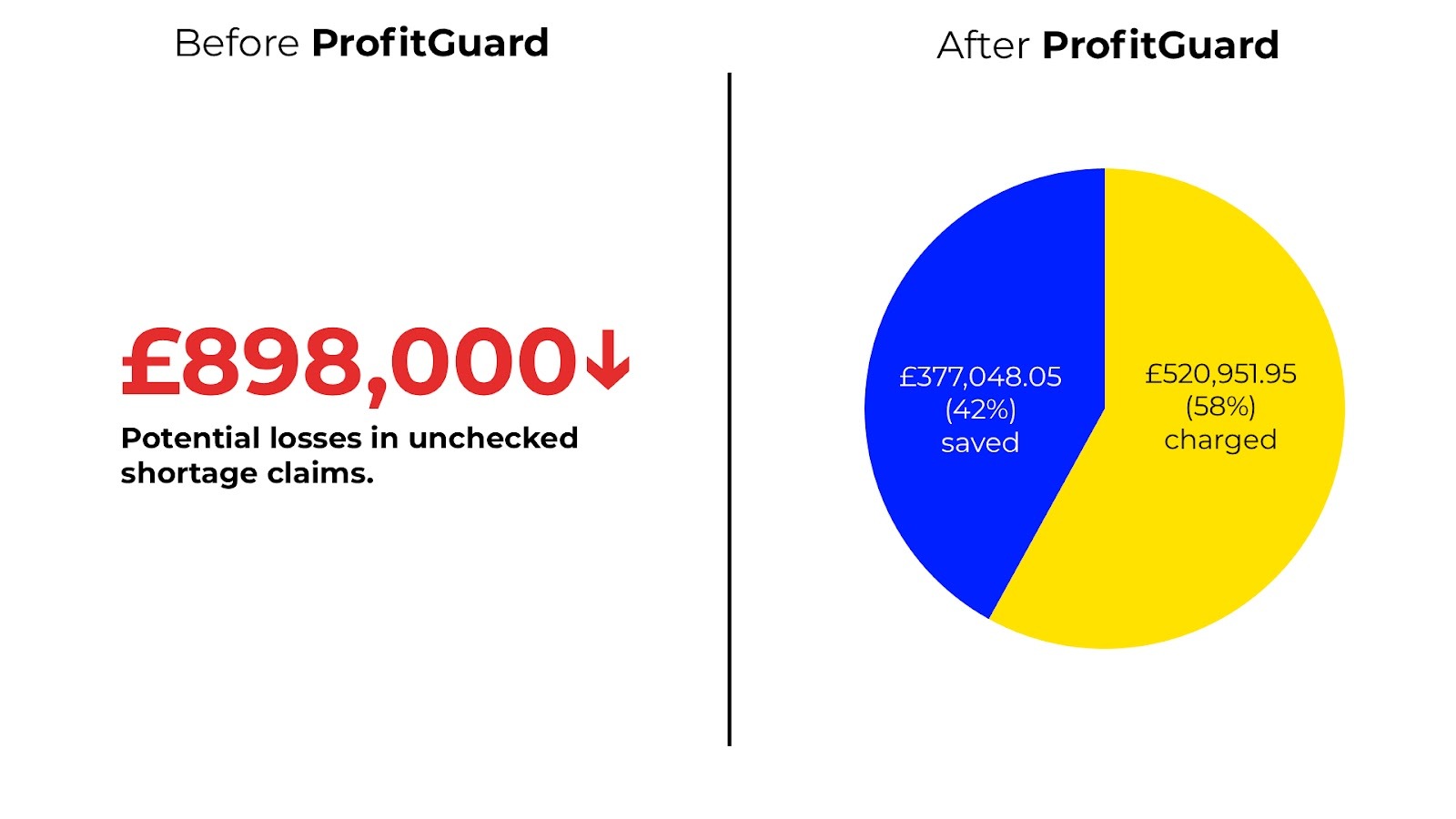
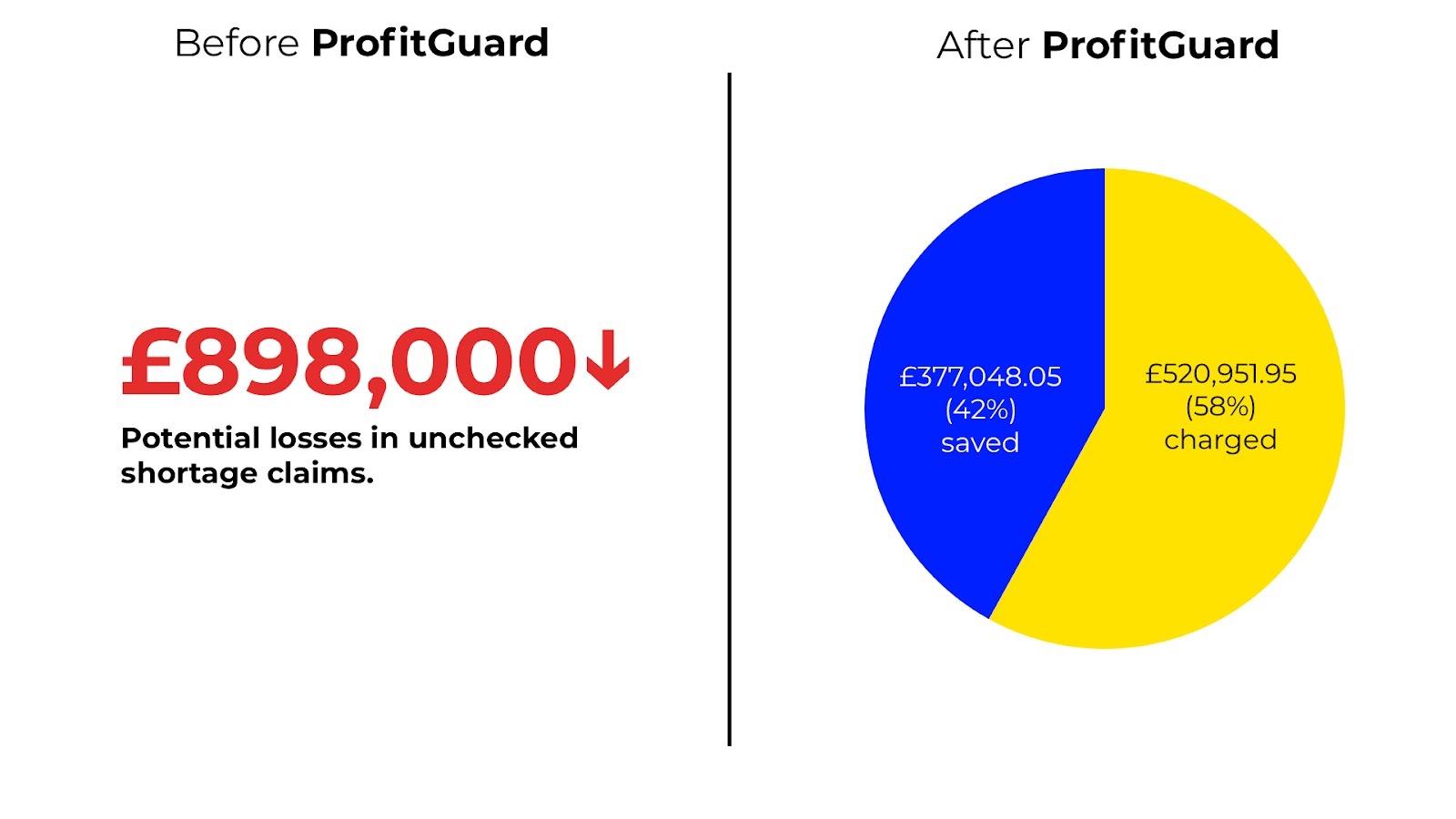
Our ProfitGuard service recovered ~42% of raised claims, helping General Mills achieve much stronger margins on Amazon.
The Challenge
Revenue Leakage
Our client, major global food manufacturer General Mills, was facing persistently high shortage claims from Amazon on their UK Vendor Central account.
Despite shipping full quantities, Amazon frequently raised claims that units weren’t being delivered, or were missing on arrival at their fulfilment centres. Like many Vendor brands, General Mills was struggling to navigate Amazon’s rigid and often confusing dispute process, which was causing significant lost revenue.
Dashboard Confusion
Adding to this issue, Vendor Central’s dispute dashboard frequently gave blanket rejections with very little explanation, while the platform’s automated verification process made it especially hard to challenge inaccuracies without highly detailed evidence.
Past attempts to dispute these shortage claims had been somewhat inconsistent, and the client didn’t have a clear audit framework they could use to separate claims that were recoverable from those that they should leave unchallenged.
The Solution
Having identified the challenges causing General Mills’ inflated shortages, we began implementing a structured, evidence-driven profit recovery process, tailored to Amazon’s strict rules around shortage claim disputes.
Here’s how we tackled the client’s shortage claim challenges step-by-step, and recovered roughly 42% of charges raised.
1. Full Audit of All Shortage Claims
We carried out a comprehensive audit of all shortage claims raised by Amazon, checking the claimed missing quantities against the supplier’s own ASN data, looking at proof of delivery and internal shipping records.
This information allowed us to verify exactly how many units had been shipped, and which shortages were legitimate, verifiable discrepancies.
2. Recalculation of Recoverable Amounts
Looking at each valid shortage claim, we calculated the correct figure by multiplying the actual undelivered quantity by the accurate price. This guaranteed that every dispute we brought to Amazon reflected an exact, defensible recovery amount.
3. Strategic Dispute Submission
We made sure that only the valid portions of each shortage claim were disputed, e.g. units that were confirmed as delivered, but unpaid.
We specifically avoided disputing overbilled invoices and duplicate payments, as well as anything Amazon had already credited under a different invoice, to prevent unnecessary rejections and maintain dispute credibility.
4. Tackling Amazon’s Rejection Cycle
All disputes we raised were initially submitted through the designated Vendor Central dispute dashboard. As is common in Amazon claim recovery, the majority of these disputes were rejected on the first attempt.
To overcome this obstacle, we began raising support cases for each individual disputed invoice, leveraging detailed evidence and explanations in each case. If a dispute case went ignored, or Amazon’s responses were incorrect or incomplete, we escalated our dispute further by opening additional cases.
Typically, we were able to secure a final approval from Amazon after 2-3 attempts per invoice.
The Results
Following a full shortage claim audit, evidence-backed disputes, and persistent escalation, we were able to recover a large proportion of the raised shortage claims, and turn around previously rejected disputes.
Overall, this resulted in:
£377,048.05 out of £898,000.00 recovered
Our methodical profit recovery method recovered approximately 42% of the total shortage claim value, which is a substantial result considering Amazon’s typical rejection rates and the heavily automated design of their dispute system.
Improved Dispute Efficiency
By only challenging the valid elements of each claim, and not spending time on unproductive disputes, we were able to strengthen General Mills’ position in the Amazon ecosystem, and equip them with a more systematic and efficient dispute claim.
Reduced Long-Term Revenue Loss
Following this initial round of profit recovery, we were able to create a defined and repeatable process for future shortage claim management, further improving future recovery rates and preventing avoidable losses.
“General Mills UK is extremely pleased with the outstanding efforts and results delivered by ProfitGuard by Wake. Their dedicated team has been instrumental in successfully resolving disputes, securing an impressive 42% of the overall value. We particularly appreciate their consistent professionalism and the regular, reliable monthly updates, which have provided invaluable transparency and confidence throughout the process. Profit Guard by Wake's expertise and commitment have made a significant positive impact, and we look forward to continuing this successful partnership.”
- Jane Robinson, Amazon Business Account Manager for General Mills.
Want to see how much shortage claims are costing you? Our free ProfitGuard audit provides a detailed breakdown of where you’re losing profit and how much you could be owed.